

Repurposing Energy Assets for AI Infrastructure.
Parasol Elite Power develops grid-free AI data center campuses by combining existing or planned energy assets with battery storage, firm generation, energy management, and optional DC-to-DC power delivery.
Our current project pipeline includes biomass-site conversions in California and battery-storage developments in Texas being upgraded for AIDC use.
Biomass-to-AIDC Energy Campus
Sandy Mush - 9 month start to commission
Sandy Mush is Parasol's primary demonstration project: a 75-acre property, including an existing biomass facility, being developed into a grid-free AI data center energy campus.
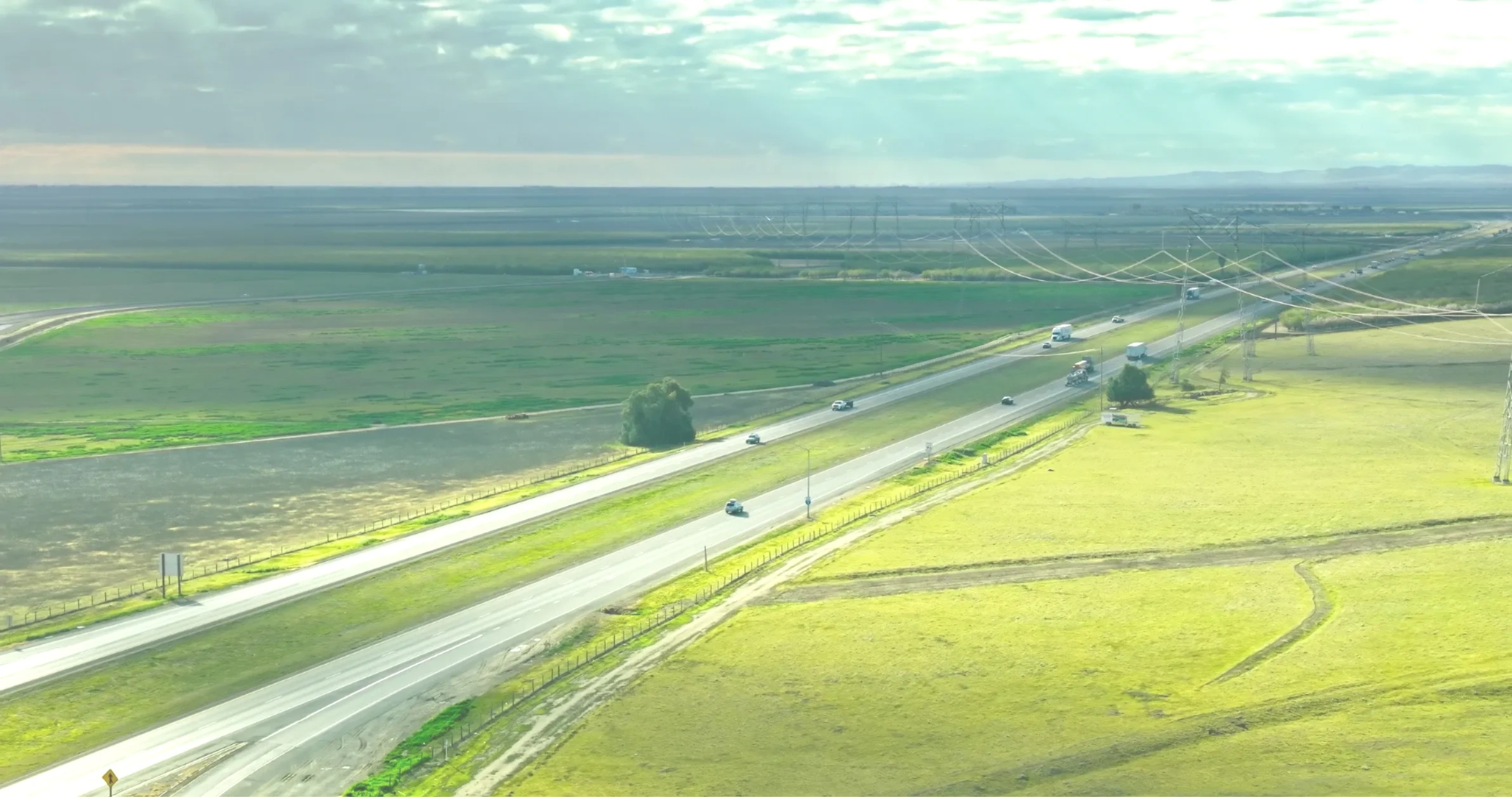
Biomass Infrastructure Converted to AIDC
Chowchilla
The Chowchilla project is planned as a second biomass-to-AIDC conversion, applying the Sandy Mush development model to another Central Valley energy site. Parasol intends to reuse and modernize existing energy infrastructure while adding battery storage, controls, firm power, and modular AI computing capacity.
Battery Arbitrage Development Upgraded to AIDC
Texas Project Adelite One
This Texas project was originally planned as a standalone battery-arbitrage facility. Parasol is evaluating an expanded design that uses the battery system as the stabilizing layer for a grid-free AIDC campus. Instead of relying exclusively on wholesale-market price spreads, the upgraded project would support a dedicated, high-value computing load.
Storage-Backed AI Infrastructure
Texas Project Adelite Two
Parasol's second Texas project is also being evaluated for conversion from a planned battery-arbitrage development into an integrated AIDC energy campus. The battery remains a core asset — providing transient response, power quality, backup capability, and coordinated operation between generation, grid power, and AI computing loads.
Interactive Map
Sandy Mush Phase I AIDC Campus — Interactive System Map
Explore the planned 10 MW Sandy Mush Phase I AIDC campus. Select any numbered component to understand its function, system interfaces, redundancy role, development status, and contribution to the broader Merced manufacturing, research, and workforce-development strategy.
A Repeatable Development Model
Across the project portfolio, Parasol follows a consistent strategy.
Identify
Locate existing or planned energy assets with land, power potential, and infrastructure advantages.
Upgrade
Add generation, battery storage, EMS, controls, and resilient grid-free power.
Integrate
Deploy modular AIDC infrastructure and optional DC-to-DC delivery.
Operate
Stabilize the project with reliable power, customers, and operating data.
Monetize
Retain, recapitalize, or sell the completed infrastructure asset.
From Energy Asset to AI Campus
Parasol transforms underused biomass facilities, battery projects, and other energy assets into power-secured infrastructure for artificial intelligence and high-performance computing.